What Is Contextual Link Building?
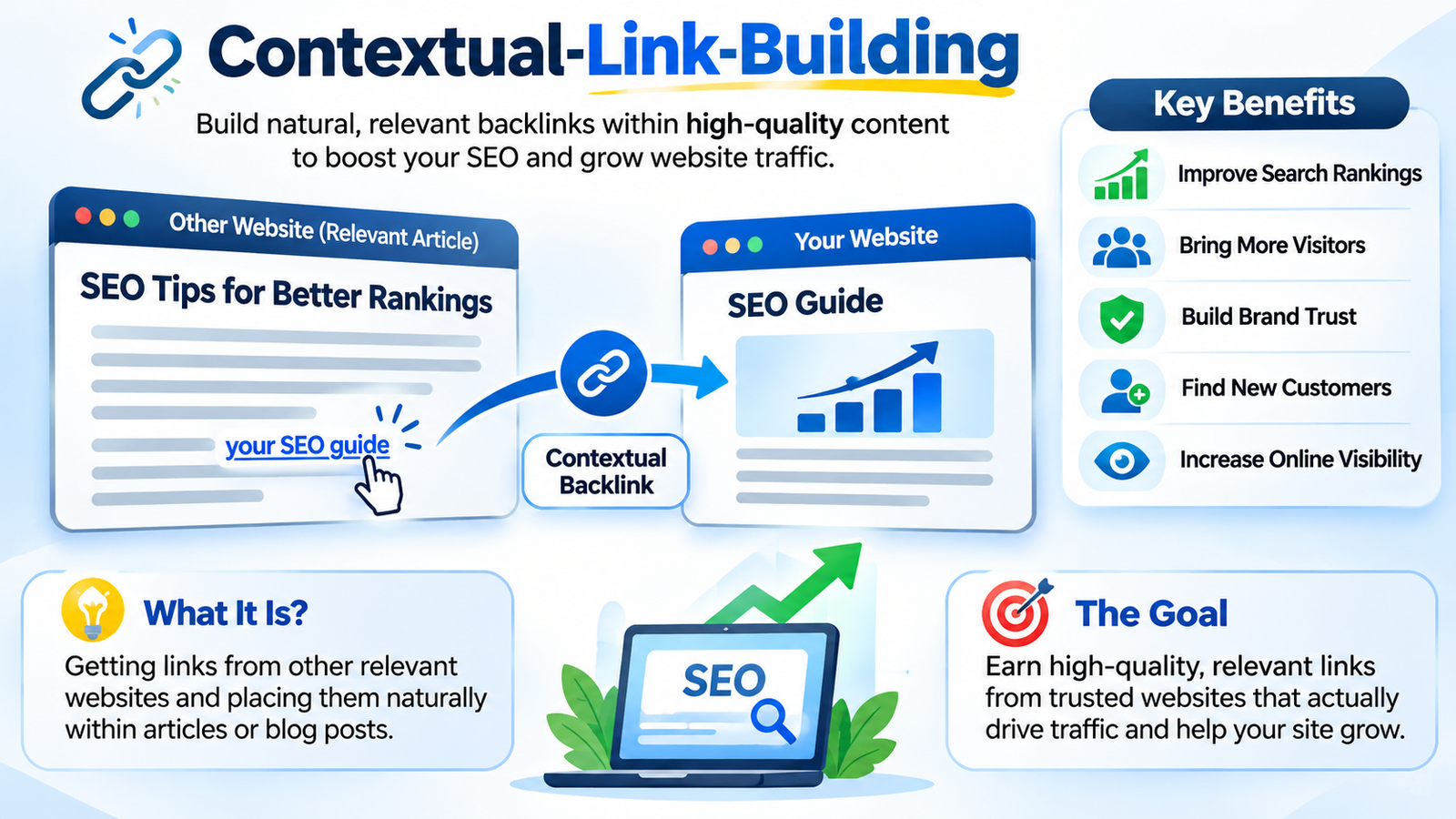
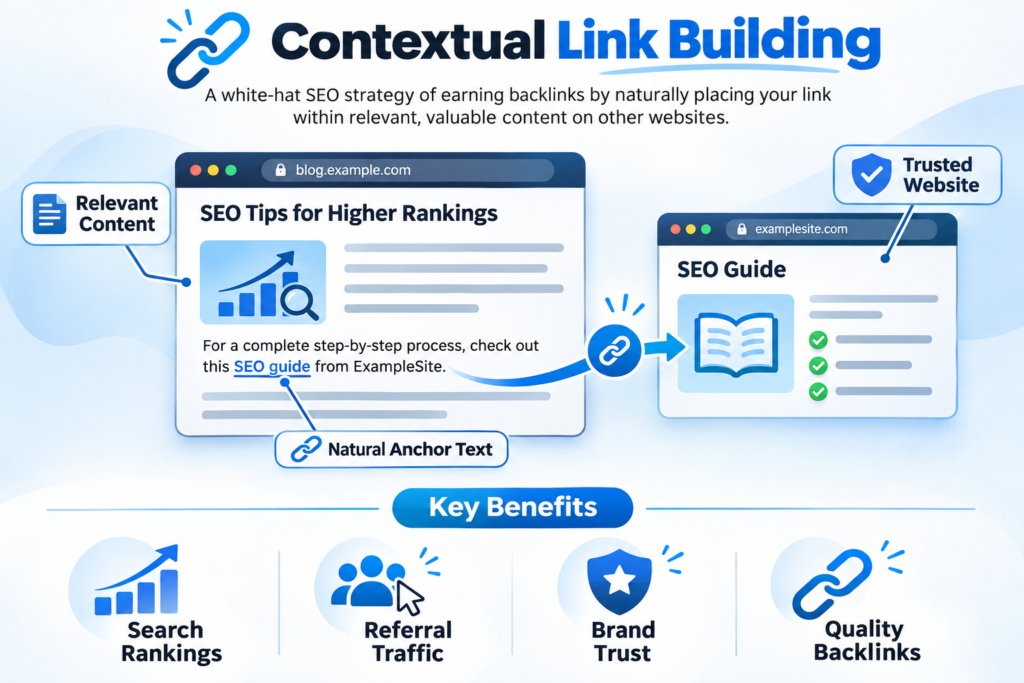
Contextual link building involves getting links from other websites and inserting them naturally in articles or blog posts.
For instance, one site writes an article on SEO tips and includes a link in their article for your website’s SEO guide. This is referred to as a contextual backlink.
These links give readers more information and help search engines to see the relationship between various sites and subjects.
Quality is more important than quantity in modern SEO. A few good links from reputable and relevant sites are more useful than hundreds of low-quality links.
Your primary aim is to obtain links from websites that actually drive traffic to you, and can help your site grow.
Why Are Contextual Backlinks Important?
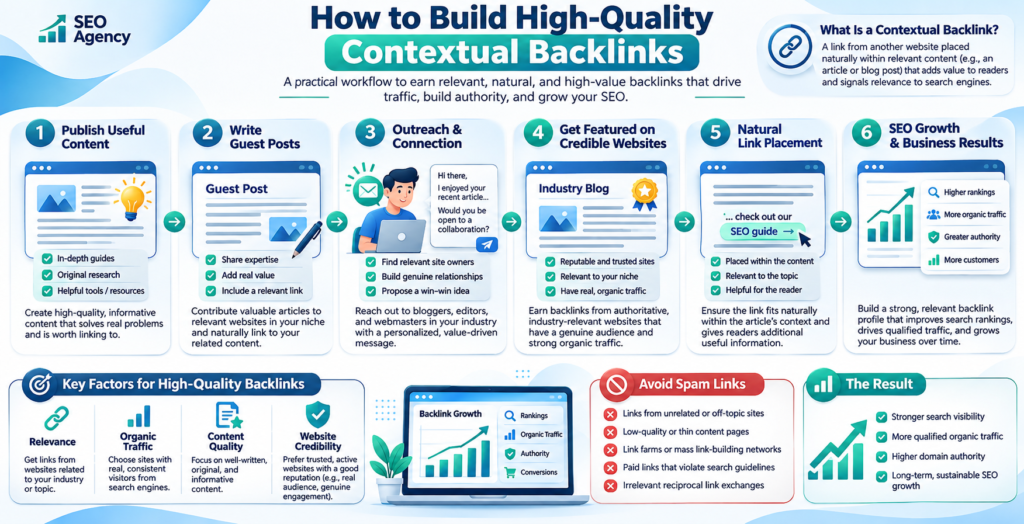
There are a number of ways that contextual backlinks can bolster your website.
1. Improve Search Rankings
Trustworthy and relevant websites will benefit your SEO. They enable search engines to find your pages and determine their significance.
2. Bring More Visitors
Your links on other sites take people to your pages when readers click on them. This is known as referral traffic.
3. Build Brand Trust
Your brand might be seen as more reliable when respected websites are talking about your business.
4. Find New Customers
Industry-related web links can attract visitors that are already interested in your products or services.
5. Increase Online Visibility
Leveraging the power of trusted websites can make your business more discoverable. The mentions can also help you gain exposure in AI-enabled search applications.
7 Contextual Link Building Examples You Can Follow
1. Generate Interesting Content
One of the best methods to get free backlinks is to publish interesting and informative content.
You can write articles, guides, original research, or even create free apps or informative reports that can be of interest to others.
If webmasters think that your content is useful, it’s likely that they will mention it in their own articles, thus giving you backlinks without asking.
2. Get Your Brand Exposed
You want your brand to be known on different blogs and websites that relate to your sphere.
You should contact bloggers and publishers writing about your business and tell them about the information they can find on your website.
3. Provide Links to Important Pages
You should understand that different pages of your website need to be treated differently.
Some pages could be service pages or product pages, or some other important links.
4. Get Featured on Credible Websites
When featured on credible websites, your business shines brighter than that of your competitors.
These may include well-respected niche blogs, expert websites, and online publications with great content and great audiences.
Target websites with real audiences rather than those selected purely on the basis of DA and DR, which may lead to inflated scores.
5. Engage in Digital PR
Digital PR refers to putting out important information to online publications, bloggers, and journalists.
You can share company news, publish research about the industry, and seek to give expert opinions.
It is possible that such publishers find your content interesting enough to mention your company and link to your website.
6. Make connections with webmasters
You can find additional opportunities for link building by connecting with bloggers, editors and your industry.
The first step is typically to review the content that they post and give them complimentary input and even write them personalized messages.
If you know someone in this industry, then it will be easier to find guest posts and other opportunities.
7. Get Listed in Various Industry Discounts
There are lots of sites which produce various product reviews, comparison articles and lists of helpful services.
Make an attempt to get into as many related lists as you can.
This is because these pages are pages that are already attracting visitors interested in looking at services and products, so a link on these pages will get you the traffic that will be more likely to convert.
Different Types of Contextual Links
It is essential to identify what types of backlinks can be beneficial when choosing link-building practices.
Natural backlinks are the links put by other websites that find your website’s content interesting.
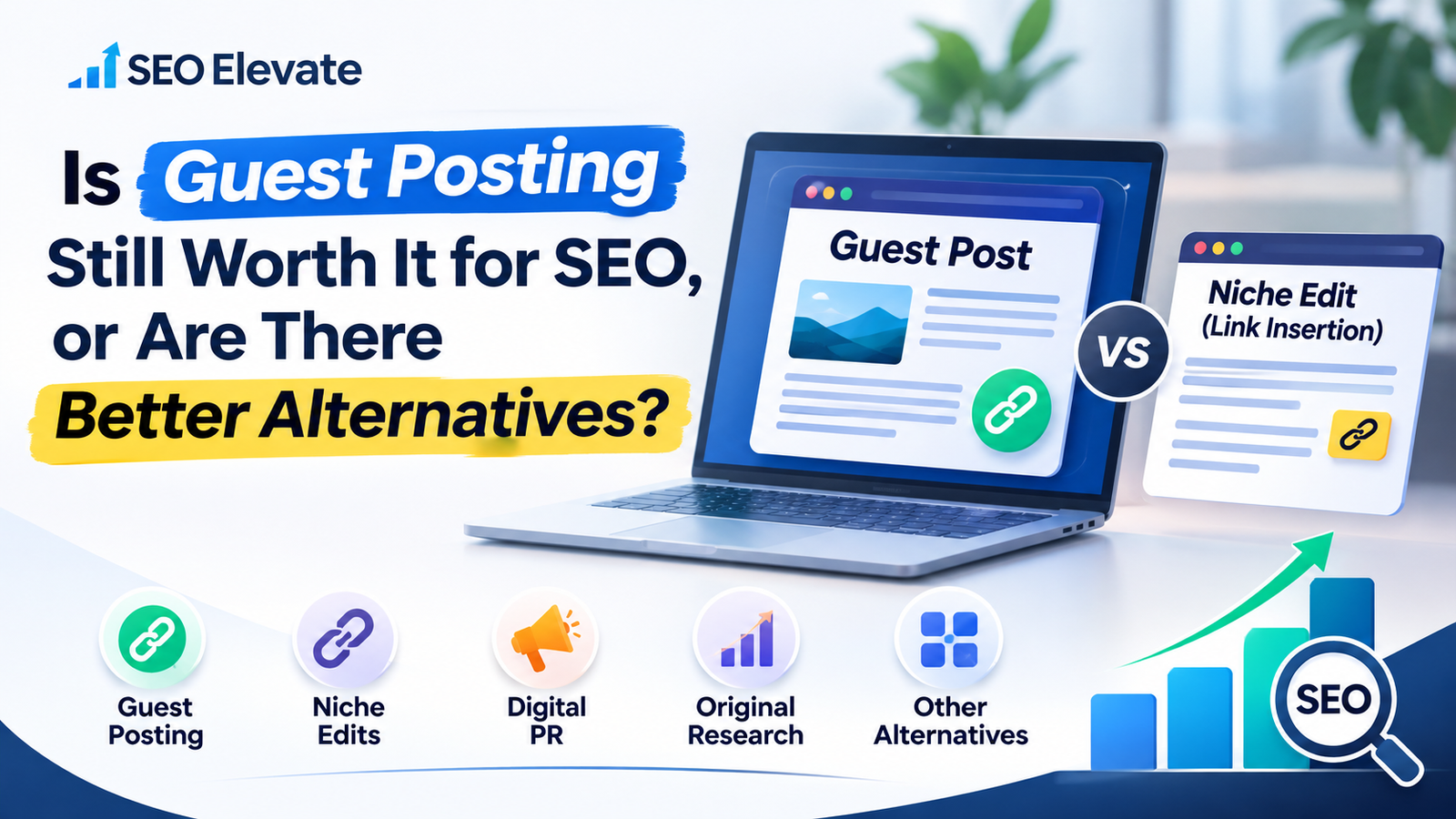
Guest post links are links that are found in the articles you write on some other websites.
Niche edits are links added to existing articles of relevant websites.
Editorial links are the links incorporated by the author or editor of the content because they consider those links valuable.
Internal links are the links that exist between different pages of your own website.
External links are the links that point to the site from the outside.
Inbound links are the links from other websites pointing to your website.
Reciprocal links are the links given to the other website by you and the links you received from some other websites.
How to Find High-Quality Backlinks
Not every backlink is good for your website. Before choosing a website, check these important factors.
| Quality Factor | What to Look For | What to Avoid |
| Website Relevance | Websites related to your industry | Unrelated websites |
| Organic Traffic | Real visitors from search engines | Suspicious traffic |
| Link Placement | Links inside relevant articles | Random footer links |
| Anchor Text | Natural and useful words | Repeated exact-match keywords |
| Content Quality | Original and helpful articles | Copied or spun content |
| Website Trust | Genuine publishing standards | Spam websites and link farms |
Choose Relevant Websites
Always seek websites discussing topics which are relevant to your business. For instance, a tech company will look for tech blogs and software websites. Relevant backlinks will draw in the appropriate readers and generate valuable context. Ensure Traffic at the Sites,
The best practice is to research the real traffic on the website with SEO tools. The site, which has readers, will bring visitors to your site via your backlink. Avoid sites that don’t have much traffic or have traffic that is questionable.
Demonstrate the use of links to place work.
A contextual link needs to be correctly positioned in the article content. It should aid the reader in comprehending the topic or in gaining more information. Don’t use links that are only added for backlinking.
Use Natural Anchor Text
Anchor text refers to the text element of a hyperlink that is capable of being clicked on. For instance, in the sentence “Read our guide to SEO basics,” it can be concluded that the words “SEO basics” serve as the anchor text for the link.
4 Simple Ways to Build Contextual Backlinks
1. Publish Useful Blog Posts
Create articles to solve common queries and give practical advice.
Ensure that your content is original, readable and helpful to your readers.
Content which is well written provides other sites with a reason to link to your site.
2. Write Guest Posts
Guest posting is writing an article for another website.
The first step is to locate sites that have content that relates to your field. Review the writing advice and readership needs of your audience.
Follow that with a private e-mail message containing a helpful article concept.
If it is accepted by the website, add a link if appropriate.
Interviews and Podcasts are joined.
Take to the virtual media and upload information in online interviews, podcasts, and as expert discussion.
There are numerous websites that have published articles or podcast notes that have links to their guests’ websites.
This is a beneficial way to earn your dignity and establish new links.
Find and Replace Broken Links
When a link does not lead to the desired page, it is known as a “broken link”.
These can be identified via the SEO tools and will then have to be notified to the webmaster.
It is important to express the concern clearly but in a respectful way and include one of your web pages as an alternative link.
This practice will boost your website’s content and will give you a backlink.
What is meant by white label link building?
White label link building is a strategy that allows digital agencies to easily get backlinks.
With this type of service, agencies simply outsource the entire process.
The agency can contract a vendor to provide the services of searching where the links can be placed, contact bloggers, write blog posts and provide reports.
Benefits of White Label Link Building
Save Time: Agencies can concentrate on other SEO tasks.
Hands on More Projects: They can manage more projects and not need to add up a large team.
Get Expert Support: Research and outreach is managed by experienced staff.
Easy Reporting: Agencies get reports of published links and information on them.
What is it that makes the process work?
Select Target Pages: Select the pages of the client that will require backlinks.
Look for industry-related websites: Use the internet to find publishers that are relevant to the client’s industry.
Write Articles: Research and write articles that fit the publisher’s topics.
Get in touch with Publishers: Send emails and talk about possibilities for publishing.
Share Reports: Include information about published links, target, and anchor text.
Combine Link Building With Other SEO Methods
But to leverage from backlinks, your site should be optimized.
On page optimization: Update title, review keywords, and make sure that your content is good.
Technical optimization: Make sure your site is mobile-friendly, crawlable and fast running.
Content marketing: Publish articles, guides and other types of content that your target market is interested in.
Internal linking: Share other pages of your website to keep your readers updated.
Structured data: Give information to your audience about your structured data.
All of the above optimization techniques can complement each other and create a solid SEO basis.
Frequently Asked Questions About Contextual Link Building
1. What is a contextual backlink?
It is a link that is embedded in the article or blog post of another site naturally.
2. What is the value of building backlinks?
Yes. Quality contextual back links can assist search engines recognize your website and may assist in better ranking sites.
3. What are ways to obtain contextual backlinks?
You can develop helpful content, compose guest posts, get in touch with bloggers, participate in interviews and locate broken links.
4. Will all back links be beneficial?
No. Links from spam sites and irrelevant links can offer little value and can pose a risk to your SEO.
6. How long does it take to build links?
It takes little time for referral traffic to begin. SEO optimization can be a slow process, taking several weeks or months to work.
7. What is the ideal number of backlinks to build?
Yes. It is possible to rectify websites, create helpful material, and get in touch with web owners directly.
8. How to determine if a backlink is valuable or not?
The key to a good backlink is to place it in a useful, relevant and trusted website that will add value to the readers.
9. Don’t tarnish the reputation of my domain.
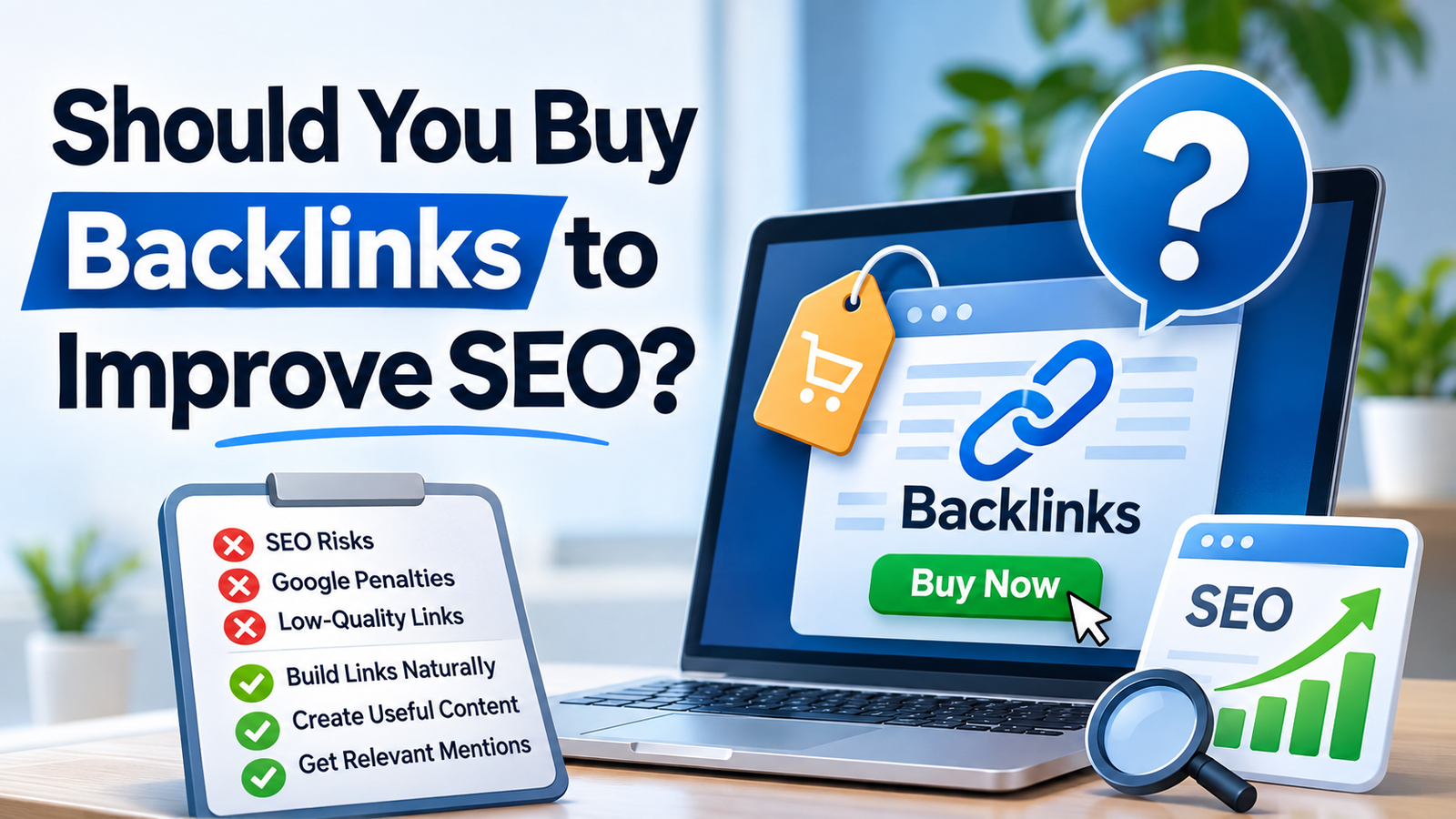
Purchasing links does not always work out in favor of your rankings. Pay attention to real editorial links and adhere to Google’s link spam rules.
10. What is anchor text?
Anchor text – the “clickable” word or phrase that links to a different web page.
11. Are there any links that are leading to traffic?
Yes. These are links that visitors will be able to click to access your website. The more readers of the blog there are, and the more relevant the link is, the more traffic it will generate.
Final Thoughts
Contextual link building is a great strategy for getting better at your website’s search engine optimization and increasing traffic.
It is quality rather than quantity that is the key. Use appropriate websites, create useful content, and establish authentic connections with publishers.
Do not include spam links, or unnatural link building tactics which may jeopardize your website.
Keep in mind that SEO is a long process. Continue to work on your website, produce valuable content and obtain quality backlinks.
With a clear and consistent strategy, contextual link building can help you build trust, increase online visibility, and grow your business.